Car Accidents, Crashes, Collisions
Car accidents make up the majority of personal injury claims. Traffic collisions are one of the world’s primary causes of accidental deaths. Tens of millions of people are also seriously injured each year as the result of poor, inattentive, distracted, or intoxicated driving.
Florida drivers are notoriously awful and it is critically important to protect yourself on the road. Yet even the best preparation only mitigates the risk. If you were involved in a car crash and have suffered personal injuries in Broward, Miami, or Palm Beach County, it is vitally important to assert your legal rights.
Vehicle collisions are often frightening and deeply traumatic experiences. Through no fault of your own, you may be living with the physical, psychological, and financial consequences of a serious collision for years to come.

Car Accidents — Frequently Asked Questions

What Should I Do After a Car Accident?
The confusion in the moments following car accidents can make an otherwise straightforward process equally challenging. There are few things more jarring than being in a car crash, and in addition to any physical injuries or vehicle damage one incurs, an accident can leave a person in an emotionally vulnerable position.
Nevertheless, before you can even start thinking about hiring a lawyer, you need to make sure that the minutes and hours following an accident are handled correctly. It is absolutely crucial that you protect yourself from doing or saying anything that might impede you receiving the compensation, you are owed.
Move to Safety
If the accident is a minor one, move the cars off the road to a safe space and turn on hazard lights. Mark off the area with safety cones if you have them.
Call the Police and/or Ambulance
Call an ambulance if there are any injuries or complaints of pain and always call the police so that a police report will be created.
Gather Information & Take Pictures

Obtain all necessary information about the drivers involved, including their insurance information, and take photos of the accident.
Do Not Admit Fault
Remember, fault will be determined by the police who attend the situation, not by those involved in the accident. Therefore, even if you think you were at fault, do not say so, but also remain courteous to keep everyone in as good a mood as possible. After all, your crash could have been caused by a problem with the automobile itself, so wait until you get all the facts before you accept blame.
Alert Your Car Insurance Company
While you can start filing an insurance claim at the scene of the accident, it is often better to wait until you have regained your bearings and have a clear recollection of what happened.
Seek Medical Treatment
If you were injured in the car crash, it is critically important that you seek medical attention as soon as possible. Automobile accidents are never pleasant experiences and understandably, those involved are eager to move on with their lives. Accident victims often delay seeking medical treatment with the hope that the injuries will resolve on their own. However, insurance companies love to make arguments like, “if the person was really injured they would have gone to the doctor sooner.”

Should I Speak to Insurance Adjusters or Potential Defendants?
Before speaking with a personal injury lawyer, you should be careful what information or statements you make to anyone regarding your claims. Insurance adjusters and other people who may be potential defendants will be trying to collect facts and/or evidence to prove that you were at fault or to reduce the value of your claim. They may also try to make you a low offer to achieve a quick resolution of the matter. You should not sign anything until you have had an opportunity to discuss your matter with a lawyer.
Insurance Companies are in the Business of Paying You as Little as Possible for Car Accidents
It is important to remember that—even if you are clearly not at fault in a vehicle collision—receiving equitable compensation is not always a straightforward or simple process.
Insurance companies are in the business of generating profits for shareholders; in order to do so, they need to minimize claims and payouts.
Insurance companies also have vast resources at their disposal, in terms of money, staff, and general knowledge of the claims and legal processes. It is hardly surprising that many injury victims feel intimidated by the prospect of dealing with a large insurer. Insurance companies know this, and use it to their advantage.
Personal injury attorneys are here to serve as an advocate on your behalf. Gulisano Law has deep experience handling vehicle collision cases and understands the complexity of the issues involved.
By partnering with an experienced local Broward attorney, you can be certain that your legal rights will be vigorously protected — and that you will have the best possible chance to receive everything to which you’re entitled under the law.

Why Should I Make a Personal Injury Claim For a Car Accident?
Personal injury claims and lawsuits for car accidents serve a crucial role. When you suffer an injury that someone else caused, you could be left with massive medical bills, lost wages, and other expenses that should not be your responsibility. The change to your life could range from an inconvenience to something you are not sure you can crawl out of.
Either way, that is why personal injury lawsuits exist, so that you, the plaintiff, can hold the negligent person or business accountable and get the compensation you deserve and need. Contact a contingency-fee attorney today if you have been injured and want to file a personal injury lawsuit to receive compensation.

Do I Need a Car Accident Lawyer?
Why Do I Need a Personal Injury Lawyer?
Car accidents are rarely cut-and-dry affairs. Be it complex insurance claims, seeking compensation for hard-to-quantify damages such as mental anguish, or determining whether you can file a claim for additional damages, Gulisano Law has a glowing reputation when it comes to helping individuals following a car accident.
Often the insurance company or negligent party from whom you are seeking compensation will try to classify your injury as temporary, even if permanent damage has been done. Our team of experienced car accident attorneys will collect and organize evidence to substantiate your claim and get you the compensation you deserve. In addition, we can assist you in navigating the complexities of traffic and personal injury law, including determining if you are subject to personal injury protection (“PIP”) requirements.
Hiring an experienced attorney is a way to arm yourself against these questionable insurance practices and get the compensation that will help you get your life back on track. After taking on a case, our car accident attorneys will work diligently to determine just how much you are owed and then fight doggedly to get that compensation for you.
It may be that in a case with minor injuries, which resolve quickly and without any permanent injuries or need for ongoing medical care that you may be able to handle your matter with some legal guidance. While not every case requires the involvement of a personal injury lawyer, our attorneys boast intensive experience in a wide variety of car accident-related cases. If you are wondering if a car accident attorney is what you need to resolve your accident, Gulisano Law has the talent and resources needed to help you.
It is always a good idea to speak to a personal injury lawyer when you have been injured. A personal injury attorney can help you get fair compensation for the losses you have suffered as a result of the accident, such as medical expenses and lost wages. Being injured in an accident can be a very upsetting experience in addition to any physical injuries, which you have suffered. Where you have significant injuries, losses and/or property damage, a personal injury attorney can help guide you through the process, protect your interests and pursue fair compensation for your losses.
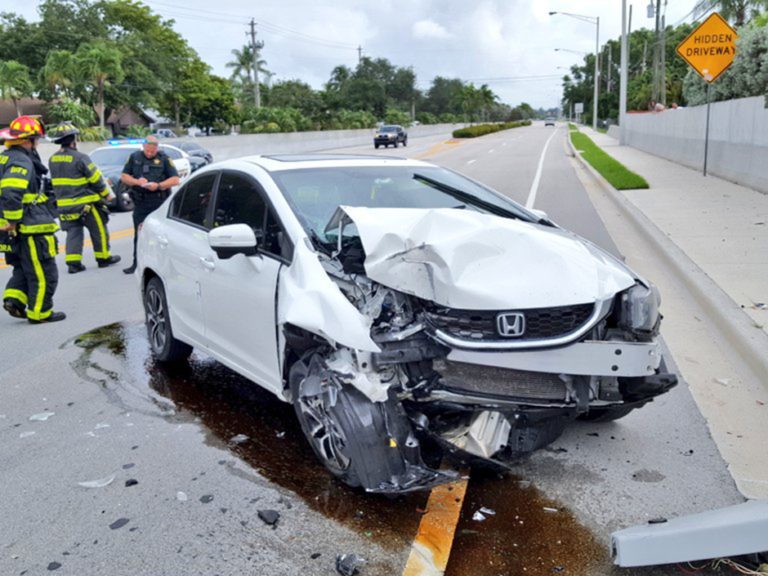
When Should I Hire a Car Accident or Personal Injury Lawyer?
If you are going to hire a personal injury lawyer, it is always best to do so as soon as possible after the accident so that they can get started as quickly as possible putting together information to assist in your case, collecting evidence to use in your case before such evidence is potentially destroyed and to avoid potential costly mistakes which might impact recovery of your losses.
South Florida Personal Injury Lawyers Protecting Victims of Car Accidents
Car accidents are life-changing experiences. In many cases, the accident itself is only the beginning of what can be an extremely long process of filing an insurance claim, determining fault, and most importantly, getting the closure one needs to move on with their life.
Having to take on both the insurance companies and the law to get what you deserve from your accident is extremely intimidating and often victims will accept a far lower settlement amount than if they had hired an attorney or received a free legal evaluation.
At Gulisano Law, we fight for clients who are victims of car accidents to get them the compensation and justice they are owed. After all, insurance companies tend to seek to minimize compensation. What can seem like a fair sum might fail to cover long-term medical costs, lost wages from missed work due to an accident, or delayed injuries or damages that were not accounted for in the original settlement amount. We are experts at navigating the often confusing legal and insurance process.
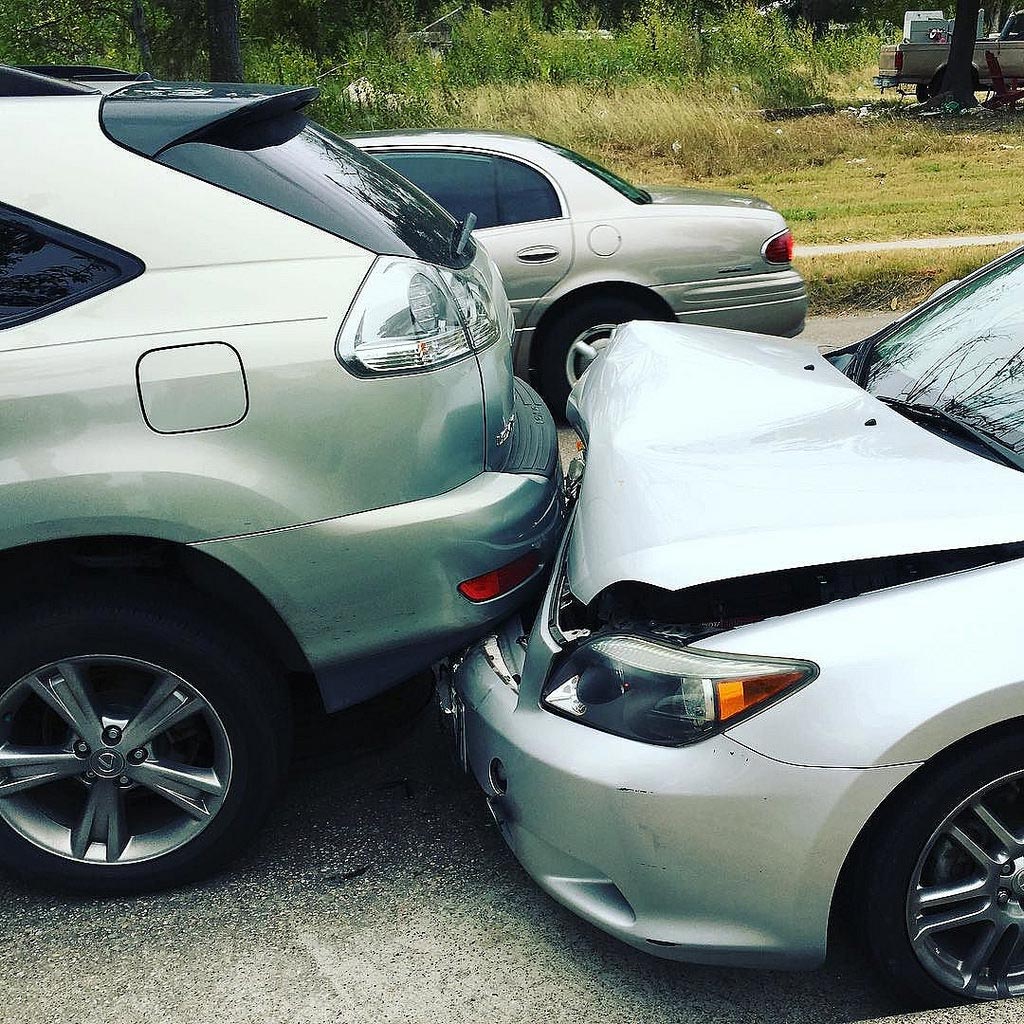
What Should I Bring to the First Meeting With a Car Accident or Personal Injury Lawyer?
Before speaking with a personal injury lawyer, you should collect as much information and facts about the accident and any injuries or financial losses as possible to share with the lawyer. Documents to share with your lawyer include:
- Police accident report;
- Photographs;
- Incident Reports;
- Evidence;
- Insurance policies;
- Medical reports;
- Medical bills; and
- Any communications from insurance companies or other potentially liable persons or companies.

How Much Does a Car Accident or Personal Injury Lawyer Cost?
Personal injury attorneys like those at Gulisano Law do not charge hourly rates or generally any fees at all up front. Instead, they work on what is called a “contingency fee” system, which means that they only get paid if they win your case. This is an ideal arrangement for plaintiffs. It allows injured people to gain access to a quality attorney they might not have otherwise been able to afford had they been required to pay an hourly rate.
The power dynamic in these cases is often one individual versus a Goliath insurance company or other large corporation that has hundreds of lawyers on retainer. The contingency-fee structure at Gulisano Law levels the playing field, giving the injured access to a firm that has the size and heft to bully the bullies.
If your legal team wins your case for you, only then will you pay them. They take a reasonable fee from your recovery. In either instance, you are not paying anything up front. If you or a loved one were injured, contact Gulisano Law’s personal injury attorneys today for a free, no-risk case evaluation.

What Does a Personal Injury Lawyer Do for Car Accidents?
Your lawyer is at the front lines of your fight to get the compensation you deserve in a personal injury suit. First, they will assess your case to best determine how to fight for you. In doing so, your attorney will:
Gauge the depth and breadth of your injuries and the negligent circumstances involved;
- Investigate the scene of the accident;
- Question witnesses;
- Request documentation;
- Work with medical experts;
- Review documents, photos, and videos; and
- Work with experts who can reconstruct the scene of the accident.
That is not all, though. They will use all of that information to go head-to-head with the at-fault party’s attorneys to get you the best compensation possible. Oftentimes this happens in a settlement, but if the big corporation or insurance company will not budge, our attorneys are trained, experienced, and ready to go to court.
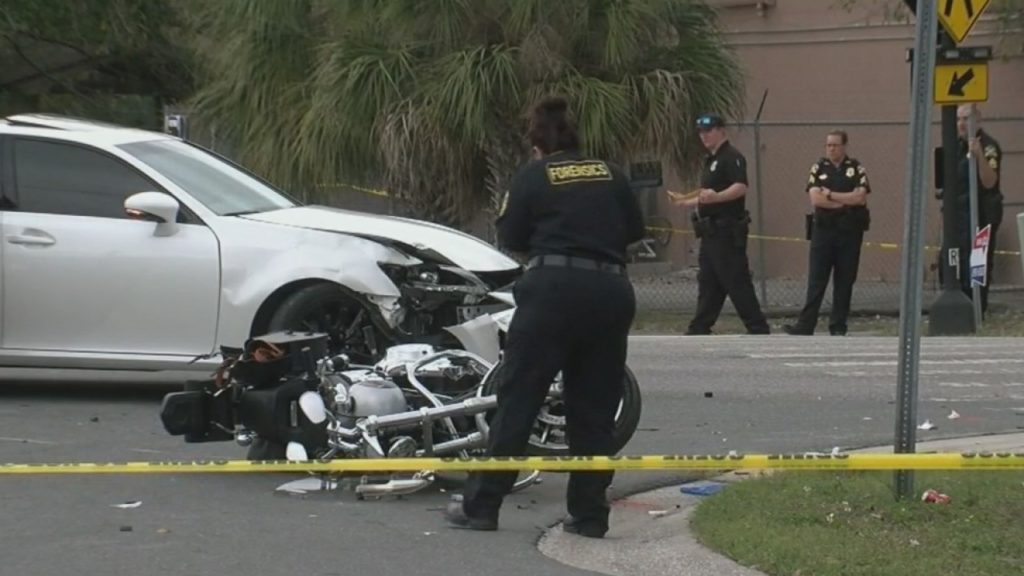
What is My Role in a Personal Injury Claim for a Car Accident?
When you are the client in a personal injury case, there are only a few things you need to do, including:
- Do not admit fault for your injury;
- Continue medical treatment and follow your doctor’s medical advice;
- Document any difficulties you encounter to your normal life because of your injury; and
- Forward your attorney any documentation you have that can help your case: police report, insurance documents, and photos or videos you have of your injuries or the accident scene, among other things.
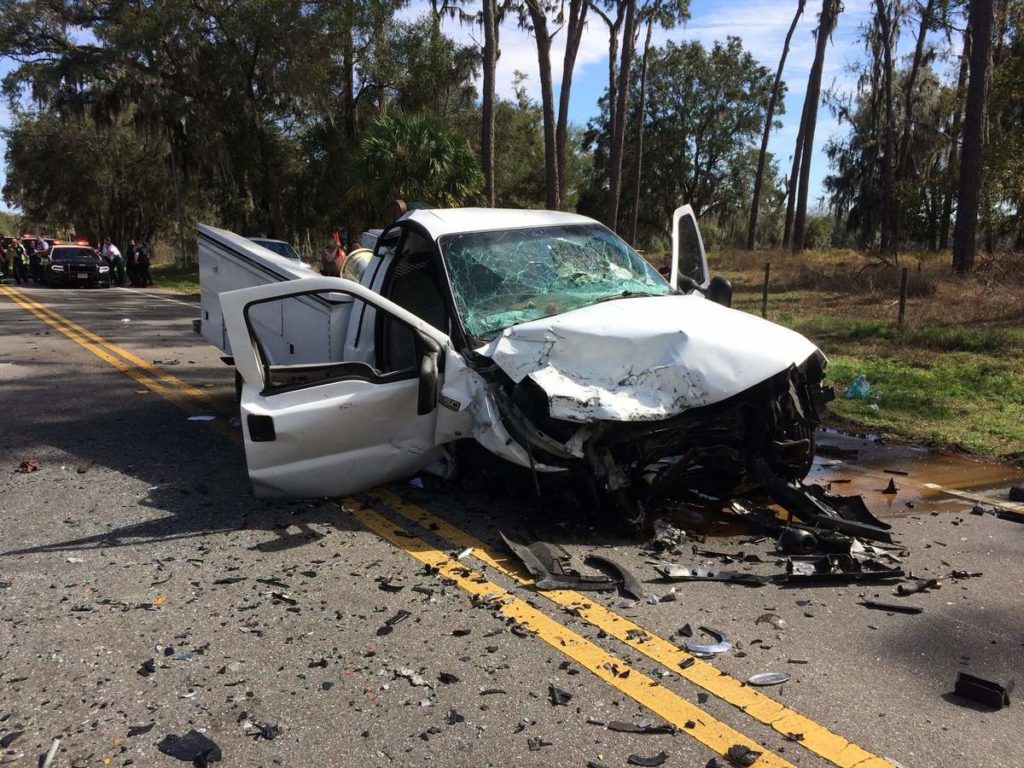
What are the Steps in a Personal Injury Claim?
After you consult a medical professional and start considering a personal injury lawsuit, there are a handful of standard steps to take.
Reach Out to a Lawyer
Contact an attorney with years of experience handling personal injury cases. As mentioned above, they have a strategic approach toward assessing cases to determine whether you are able to pursue a personal injury claim and how much you could get in a case.
Medical Treatment and Building Your Case
After you sign a retainer agreement, your attorney and legal team will begin looking over every aspect of your case — your injuries and the circumstances that caused them, the evidence, your employment history and wages, your family’s circumstances, and any other elements that will bolster your claim.
During this time, you will be seeking medical treatment from a doctor for your injuries. Only after the doctor has determined that you have reached “maximum medical improvement,” meaning that he or she has done everything medically possible to treat your injuries, will your attorney begin the next step. Until your medical treatment has been finalized, neither you nor your attorney will know the full extent of your injuries and the amount of compensation you deserve for them.
Finalize Medical Treatment and Demand Letters
Once you medical treatment has been finalized, your attorney will send what is called a “demand letter” to the insurance company for at the at-fault party, laying out your case for damages. A demand letter details the incident, lists and describes the nature of your injuries and vehicle damage, and requests a settlement amount to avoid any additional litigation or a court appearance.
While many Florida lawyers use cookie-cutter templates for their demands and simply copy and paste your information into it, Gulisano Law crafts highly-detailed and personalized demand letters that lay out clearly the different issues and facts related to your case alongside the relevant evidence, medical records, and any additional information that may be salient to getting you your car accident settlement.
Settlement Negotiations
After the insurance company has had time to review the demand letter and conduct their own investigation, they will issue a response. In their response, the insurance company will typically make an initial settlement offer. Your lawyer will not take the first offer, but will instead go back and forth with the insurance company or opposing counsel to get a dollar amount that is suitable to your circumstances.
Although this involves a significant amount of back-and-forth negotiations, most cases are resolved by settlement in this fashion after the demand letter is sent. However, these settlement talks can sometimes breakdown. Ideally, the negotiations will ultimately land in your favor, but if an agreement is not reached, then a civil lawsuit can be filed to obtain compensation for your personal injuries and damages.
Personal Injury Settlement
The goal of a settlement is to reach an agreement that is satisfactory for all parties involved. A personal injury settlement occurs when your attorney and the insurance company or opposing counsel come to agreement on the damages you will get to cover medical bills, lost wages, and other expenses.
Your actual settlement amount will vary depending on a host of circumstances, including your level of injury, the type of accident, your employment situation, and what sort of bills you’ve incurred as a result of someone else’s negligence. Your attorney will fight for you at no upfront cost with no hourly fees, but will take a reasonable fee from your final recovery.
Statutes of Limitations
Many personal injury lawsuits have strict deadlines embodied in the law — these laws are called “statutes of limitations.” In Florida, you have four years after your accident to file a lawsuit. If you wait too long to file, then a personal injury law firm cannot take your case and you will not be able to pursue compensation for your injuries.
If you have been injured and you face medical bills and cannot work, and want to try to get your life back on track, you should consider contacting a personal injury attorney today. You could miss out on compensation if you wait too long and miss a deadline.

How Much Money Can I Expect from a Car Accident?
In the majority of car accidents that result in automobile damage or physical injuries, you will typically file a claim with the insurance company representing the party that caused the crash. In turn, the insurance company will calculate how much they believe you will need to cover the damage and any other costs incurred by you. The monetary amount of a settlement can vary substantially according to a variety of factors and the facts of the case itself.
In the majority of jurisdictions, damages stemming from car accidents can be separated into two distinct categories: special damages and general damages. Special damages are typically associated with specific economic harm, including lost wages due to missing work, damage to one’s vehicle or property, and medical costs. General damages cover “non-economic suffering” that include pain and suffering, physical disfigurement or impairment, shortened lifespan, mental anguish, reputation loss, companionship loss, loss of life enjoyment, and emotional distress.
Items like hospital bills, auto repair shop bills, and quotes from mechanics are used to determine the cost of an accident. Pain and suffering as a result of a car accident is considerably more difficult to calculate, because there is little material evidence that can accurately measure just how much hardship was endured as a result of a car accident.
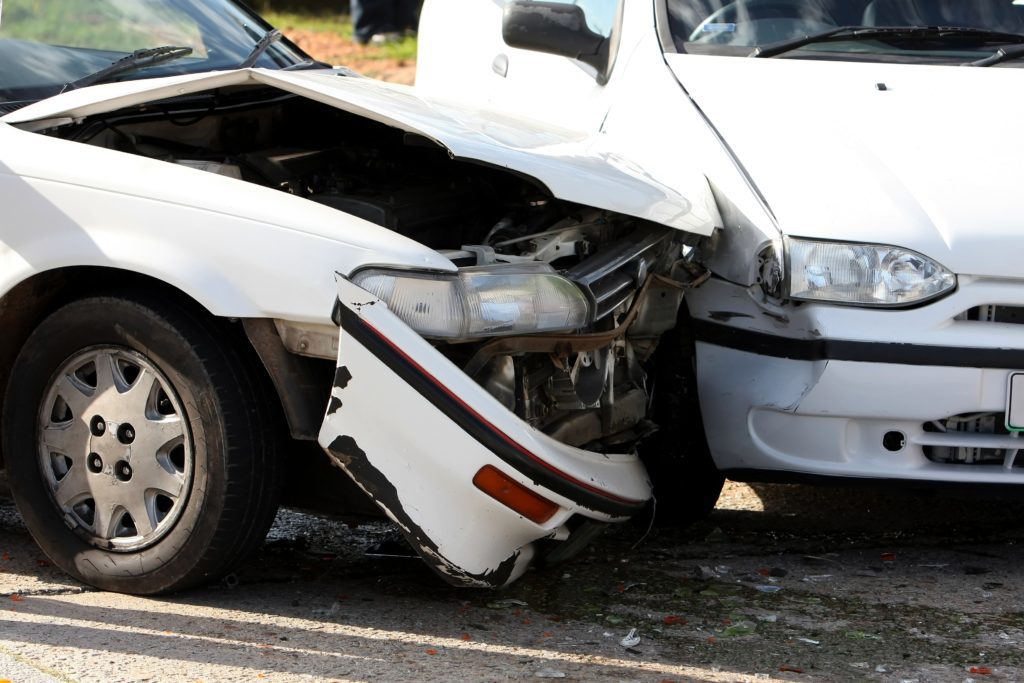
How Much Is My Personal Injury Case Worth?
Victims of car accidents often wonder how much your personal injury case is worth. The value of your case depends on a few key factors: the circumstances of your accident, the severity of your injuries, and limits on insurance coverage, among other things. The value of a case, how much the plaintiff could get in the damages, is influenced by:
- Past medical bills;
- Future medical bills;
- Lost wages;
- Loss of earning capacity;
- Loss of consortium; and
- Pain and suffering.
Some of those considerations might not have a clearly articulated value at first. However, based on our attorneys’ past experience, they could offer an estimated case value after assessing your medical records, police records, statements, and other evidence, such as the progression or regression of your physical and mental state after an accident. The whole picture can provide a window into what to expect from a personal injury lawsuit.
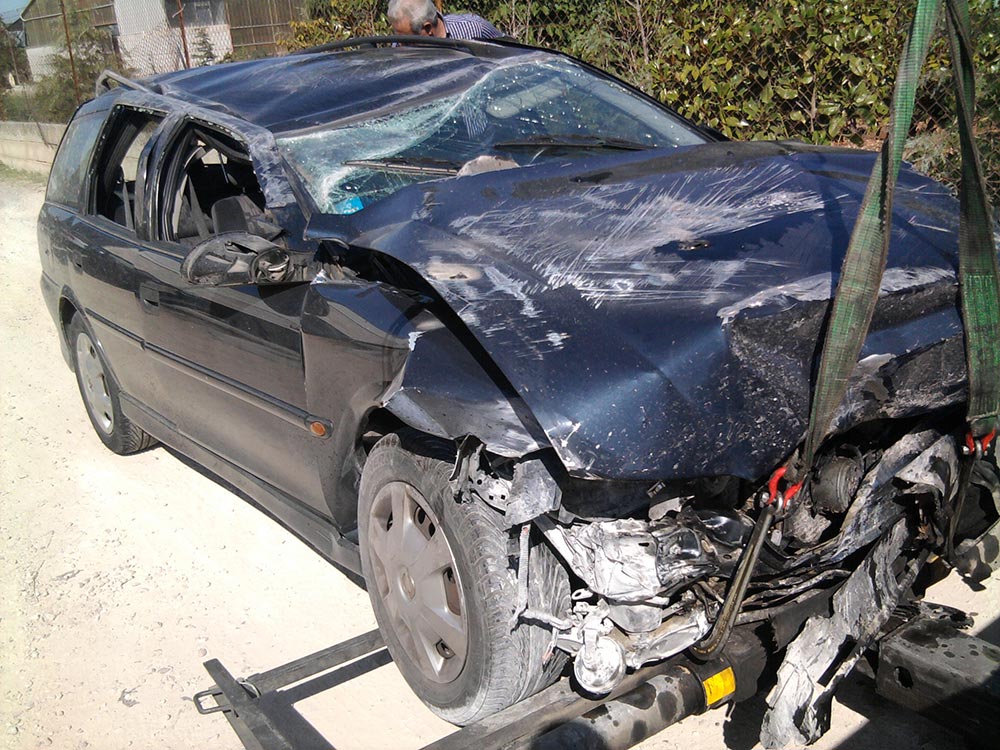
Compensation for Damages in a Personal Injury Lawsuit
As mentioned above, plaintiffs can get compensation for certain types of damages related to their injuries in car accidents. Essentially, personal injury lawsuits are filed to seek compensation, also known as “damages,” for the harms plaintiffs have suffered. The idea is that an injury victim is compensated so that he or she does not have to bear the financial burden of the consequences of another’s actions.
There are several different types of damages you could get in a personal injury lawsuit, some of which are “economic” and tied to specific costs incurred in the aftermath of an injury, and “non-economic,” which are more subjective.
Medical Bills
Those involved in a personal injury accident might need to get medical care. This can include tests, treatment, hospital stays, and outpatient care to address immediate injuries. However it doesn’t always end there. Medical care could also be required on an ongoing basis, especially if there are serious or permanent injuries. Overall, this can be expensive. The injured can face medical bills that are thousands or even hundreds of thousands of dollars. Damages assessed against the defendant in a settlement or trial should, ideally, cover all of this.
Lost Wages
You were injured and you had to miss work. Maybe it was just a matter of using some sick time to go to doctor’s appointments or perhaps you were in the hospital and had to take a lot of time off. Or you were injured so severely that you can no longer work. Whether it is the loss of a few days or the inability to work going forward, you could be entitled to compensation for those lost wages.
Pain and Suffering
This category of compensation is calculated and awarded based on the depth and breadth of the pain and suffering you’ve endured — your type of injury and what medical treatment was required. To get this kind of compensation, which can exceed a million dollars in a jury trial, the plaintiff will need to have as much evidence as possible to prove the impact of an injury caused by the negligence of another.
Medical records, which can show diagnoses, prescriptions, clinical visits and hospital stays, are a major way of showing both the extent and duration of recovery from an injury. This only works, though, if you are proactive about your treatment and communicate with your physician in a comprehensive manner. It can also be helpful to take photos and videos of your injuries and keep written records of your symptoms.
In gathering sufficient evidence, that accurately represents your condition, you are providing information the court (or even an insurance adjuster) could use to estimate how much money you should get for pain and suffering. In court there generally is not a single, standard calculation used to assess a dollar amount on pain and suffering, although you will read about a “multiplier” calculation around the internet.
Essentially, a jury could award compensation for pain and suffering based on fairly subjective factors, such as the credibility of the plaintiff’s testimony and whether they even like the plaintiff. Having records and related evidence can help bolster your case for pain and suffering compensation in the face of these subjective factors.
Emotional Distress
This type of compensation is related to an injured person’s mental and emotional state following an accident. After all, severe injury is not exclusive to a person’s exterior. Depending on the nature of the accident, a personal injury victim could suffer anything from anxiety and depression to severe mental trauma, such as post-traumatic stress disorder. Acquiring damages from emotional distress typically requires you to have comprehensive and accurate records from your therapist, psychologist, or psychiatrist, as well as a diagnosis of a specific psychiatric condition.
Loss of Consortium
If you or a loved one are in an accident and injured to such an extent that you cannot truly carry on a complete relationship with your spouse or partner (or them you) — or one of you were killed in an accident — you could be eligible for compensation for loss of consortium, also known as, loss of companionship.

What Makes Gulisano Law Different from the Thousands of Other Car Accident & Personal Injury Attorneys in Florida?
The sad truth is that many law firms value their relationships with the doctors they work with more than the amount of compensation they are able to secure the client. These firms will overpay doctors out of your settlement with the hope, or sometimes agreement, that the doctor will refer the law firm future business.
While Gulisano Law believes that the doctors who treat you should be fairly compensated, they should not be overpaid. There is no reason an individual should have to pay a doctor more money than an insurance company would pay them for the same services. Unlike some Florida attorneys, Gulisano Law works for you not the doctors.